
Uncovering Third-Party Liability After a Fatal Construction Accident
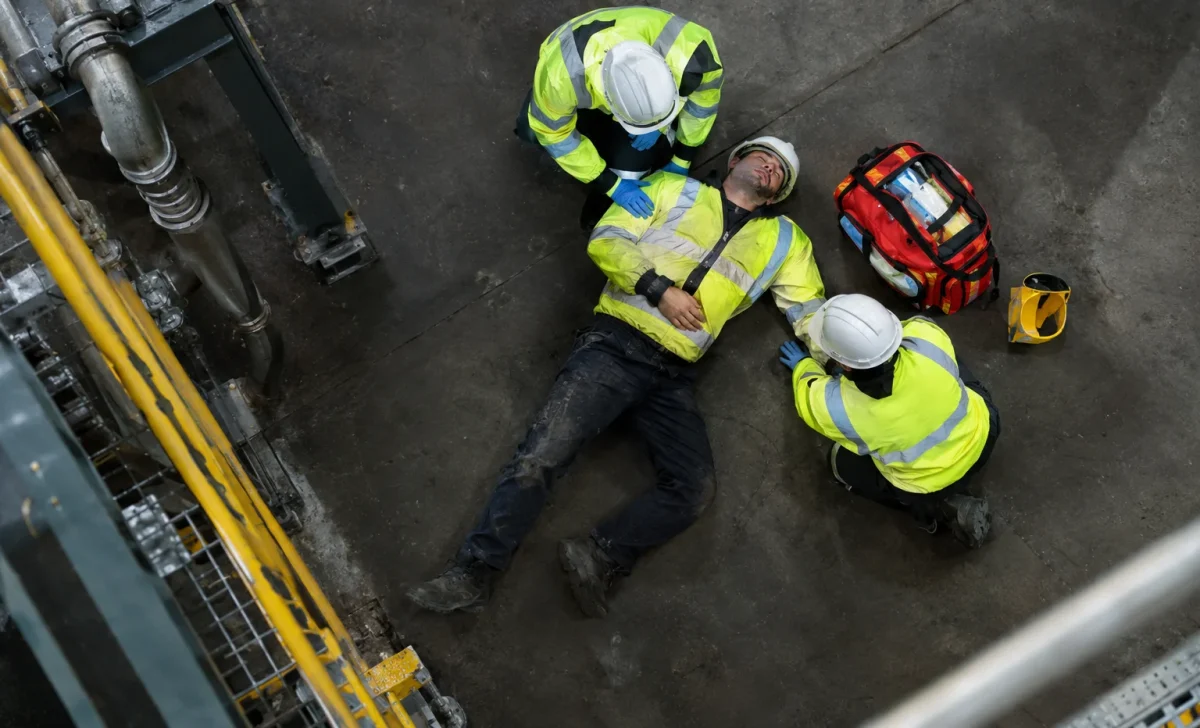
Construction sites are bustling hubs of activity where heavy machinery, hazardous materials, and dozens of independent contractors operate side by side. When a fatal accident occurs in this chaotic environment, families are often left devastatingly confused about who is truly responsible.
While a direct employer is usually the first point of contact after a workplace tragedy, liability frequently extends much further. Before diving into the complexities of multi-party liability, families must first understand the basic procedural steps and avoid common mistakes when filing a wrongful death claim.
Understanding these initial phases helps prepare surviving relatives for the long road ahead.
The Limits of Workers’ Compensation
In the aftermath of a construction site fatality, most families are introduced to the workers’ compensation system. Because of a fundamental legal principle known as the exclusive remedy doctrine, families are generally prevented from filing a civil lawsuit against a deceased worker’s direct employer.
Workers’ compensation provides a standard death benefit and covers existing medical costs, but it operates on a strict no-fault basis. Unfortunately, these limited benefits rarely account for the full scope of a family’s loss and completely exclude non-economic damages like pain and suffering.
This makes a third-party lawsuit the only viable legal channel for comprehensive financial recovery. However, unlike a standard compensation claim, a third-party lawsuit requires the plaintiff to legally prove four specific elements of negligence.
These elements include establishing a duty of care, a breach of that duty, direct causation of the fatality, and quantifiable damages. Because proving these factors requires a deep dive into overlapping site contracts and safety records, consulting a specialized wrongful death lawyer is highly recommended to thoroughly investigate the site evidence.
Recognizing Shared Site Responsibilities
Modern construction projects rarely rely on a single company. Instead, they feature a web of general contractors, specialized trades, and equipment suppliers. The Occupational Safety and Health Administration (OSHA) acknowledges this complexity through its Multi-Employer Citation Policy.
This critical enforcement framework categorizes shared-site contractors into four distinct roles (creating, exposing, correcting, and controlling), allowing multiple independent companies to be held liable for a single fatal hazard. Proper identification of these roles is a crucial step in building a strong civil case.
When multiple contractors overlap, the potential for catastrophic accidents rises significantly. According to the U.S. Bureau of Labor Statistics, the construction industry accounted for a substantial portion of all fatal falls, slips, and trips in 2023, resulting in 423 deaths spanning multiple specialized trades, including roofers and electrical contractors.
Electrocution alone accounts for roughly six percent of all fatal workplace accidents nationwide, a hazard frequently tied to exposed live wiring, defective power tools, and crowded workspaces on busy construction sites.
In recent years, the total fatal occupational injuries among construction and extraction workers reached over one thousand, resulting in a disproportionately high fatality rate compared to other commercial sectors.
Common Third-Party Defendants
Because the exclusive remedy doctrine protects the direct employer, legal investigations must identify outside entities whose negligence contributed to the accident. A thorough case review often uncovers several potential third-party defendants:
- General Contractors: A general contractor acts as the controlling employer. They can be held liable for the wrongful death of a subcontractor’s employee if they failed to properly coordinate safety protocols between different trades working in the same vicinity.
- Equipment Manufacturers: These companies are frequently named as defendants in third-party product liability claims when a worker is killed due to a design defect, a manufacturing flaw, or inadequate safety guards on heavy machinery like cranes or forklifts.
- Property Owners: Under premises liability laws, landowners can be sued if a fatal accident is triggered by their failure to maintain safe grounds or disclose hidden hazards, such as unmarked underground utilities.
- Architects and Structural Engineers: These specialized professionals hold third-party liability if their faulty blueprints, unsafe site designs, or inadequate load-bearing specifications directly contribute to a catastrophic structural collapse.
- Third-Party Maintenance Providers: Independent repair companies can be held legally accountable if a fatal mechanical failure occurs because they neglected routine inspections or failed to properly service leased heavy equipment.
Navigating the Financial Recovery Process
Securing a third-party settlement involves complex legal negotiations. Based on legal case results and industry data, third-party wrongful death settlements for construction fatalities commonly range between hundreds of thousands to several million dollars.
The final amount depends heavily on the deceased worker’s age, future earning capacity, and the number of surviving dependents who relied on their income. Juries also weigh the level of egregious negligence demonstrated by the offending parties during the trial.
Families must also navigate the hurdle of workers’ compensation subrogation. This is a legal mechanism that allows an insurance carrier to place a financial lien on a family’s third-party wrongful death settlement. The carrier uses this lien to recover the standard death benefits and medical costs it already paid out.
Understanding these procedural hurdles is vital. Uncovering third-party liability requires diligent investigation and expert analysis of overlapping corporate duties, but it remains the most effective path toward securing the full financial justice a grieving family deserves.
