
The Small Details That Make a Big Difference in Where We Live

The spaces we live in are often defined not by their size or cost, but by the subtle details that shape how they feel and function day to day. From how natural light enters a room to how materials respond to weather, small elements quietly influence comfort, efficiency, and overall satisfaction.
These details are easy to overlook, yet they play a major role in determining whether a space feels practical, inviting, and sustainable over time.
As more people pay attention to how their environments affect their routines and well-being, the importance of thoughtful design and maintenance continues to grow. Whether in a private home or a high-rise residence, the smallest decisions can create meaningful differences in how a space performs and how people experience it.
Structural Details Influence Long-Term Comfort
A home’s comfort often starts with elements that are not immediately visible. Roofing, insulation, and ventilation systems all contribute to how well a space maintains temperature and withstands environmental conditions. If these parts are built and cared for right, they keep the home steady and easy to live in day by day.
Services like Roof Geeks highlight how attention to structural integrity can improve both durability and comfort. By focusing on quality materials and proper installation, homeowners can avoid issues that might otherwise develop over time, ensuring that their living spaces remain reliable and efficient.
Urban Living Relies on Thoughtful Design Choices
In urban environments, space efficiency becomes even more important. In condos and apartments, a bit of smart planning helps you get the most use out of the space without giving up on coziness. Layout, storage solutions, and shared amenities all contribute to how well a space supports daily routines.
Developments such as the emerald condos seattle reflect how modern urban living incorporates design elements that balance practicality with lifestyle needs. From optimized layouts to integrated amenities, these small considerations can significantly improve the overall living experience in compact spaces.
Material Selection Shapes Everyday Experience
The materials used in a home influence everything from temperature retention to maintenance requirements. Durable, high-quality materials tend to perform better over time, reducing the need for frequent repairs while maintaining a consistent appearance.
According to the U.S. Department of Housing and Urban Development, material quality and proper installation are key factors in long-term housing performance. This reinforces the idea that small decisions made during construction or renovation can have lasting effects on both comfort and cost.
Lighting and Airflow Affect How Spaces Feel
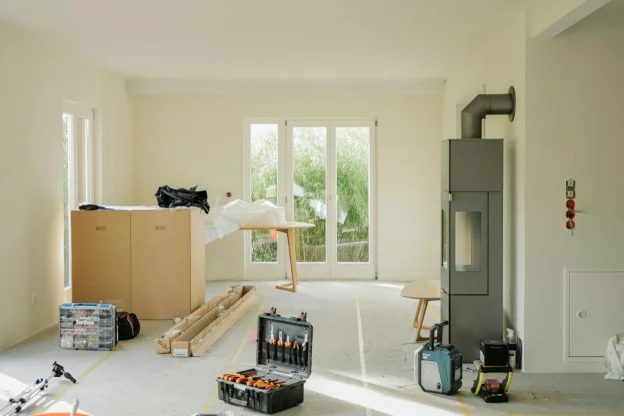
Natural light and airflow are often underestimated, yet they play a significant role in shaping how a home feels. Well-lit spaces tend to feel more open and inviting, while proper airflow improves air quality and temperature balance.
Simple adjustments, such as repositioning furniture or improving ventilation, can make noticeable differences. These changes may not require major renovations, but they can enhance daily comfort and create a more pleasant living environment.
Maintenance Preserves the Value of Small Details
Even the best-designed spaces require ongoing care to maintain their performance. Regular maintenance ensures that small details, such as seals, fixtures, and finishes, continue to function as intended.
Fixing tiny troubles early stops them from turning into big, costly headaches later on. This proactive approach helps preserve both the comfort and value of a property, reinforcing the importance of consistency in home care.
Small Improvements Add Up Over Time
While individual changes may seem minor, their combined effect can transform how a space is experienced. Better insulation, nicer lights, or smarter storage all make a home more useful and a lot nicer to be in.
Over time, these small improvements create a living environment that feels balanced and responsive to everyday needs. By focusing on details rather than just large-scale changes, homeowners can achieve meaningful results that support long-term comfort and satisfaction.
