
What Homeowners Should Know About Creating a Safer Living Environment
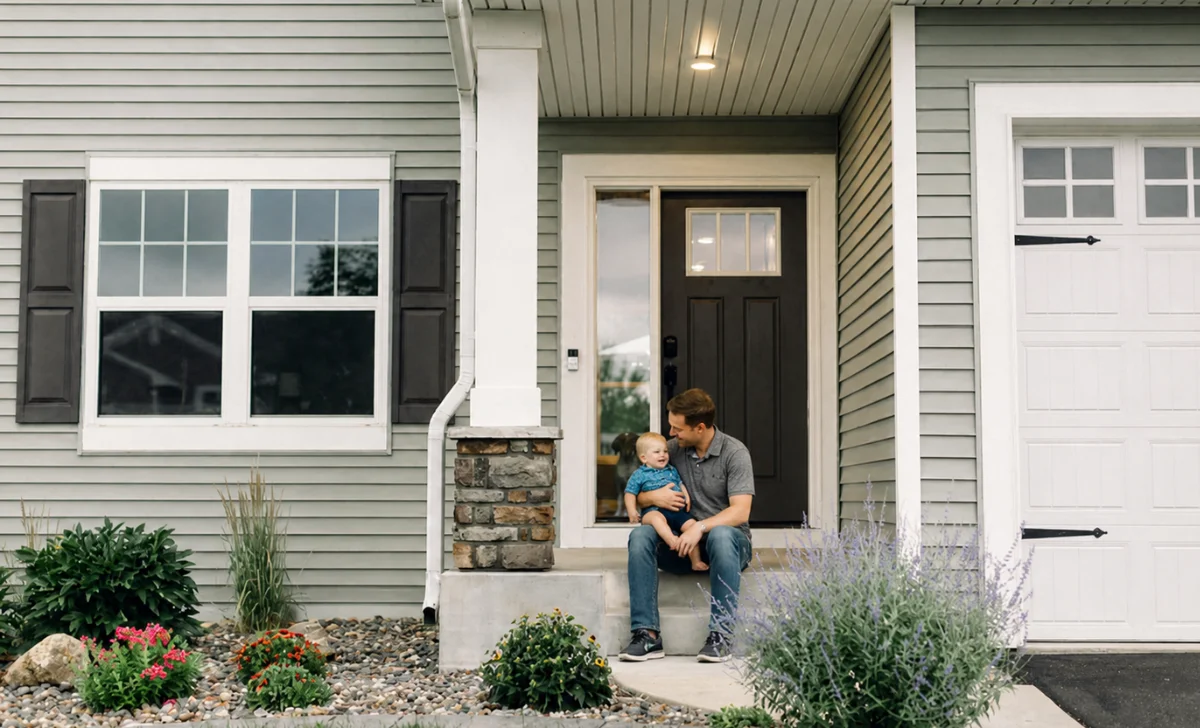
Creating a safer living environment is not limited to major renovations or security systems. In most homes, safety is shaped by everyday decisions, maintenance habits, and the awareness of potential risks that develop gradually over time. From water systems to indoor air quality, many of the factors that influence safety operate quietly in the background, making them easy to overlook until an issue arises.
These days, folks who own homes are planning early, putting more energy into preventing issues rather than just patching things up later. This means identifying vulnerabilities early, maintaining essential systems consistently, and choosing products that reduce exposure to unnecessary risks. A safe home is not built in a single step, but through ongoing attention to the details that support both comfort and long-term well-being.
Understanding the Importance of Plumbing Integrity
Plumbing systems play a central role in maintaining a safe home environment, yet they are often taken for granted. Leaks, pressure inconsistencies, and hidden wear can develop over time, creating risks that range from water damage to compromised sanitation. Some problems hide at first, but ignoring them can make things much worse down the road.
Working with professionals connected to Precision Plumbing Boulder CO reflects a proactive approach to managing these risks. Regular inspections and timely maintenance help ensure that water systems remain reliable and safe, reducing the likelihood of unexpected failures. By treating plumbing as a core component of home safety, homeowners can prevent disruptions that might otherwise affect both property and health.
Reducing Hidden Risks in Everyday Spaces
Many safety concerns in the home are not obvious. Everyday spaces, such as kitchens, bathrooms, and laundry areas, can contain hidden risks related to moisture, chemical exposure, or improper maintenance. Over time, these factors can contribute to issues like mold growth, poor air quality, or surface deterioration.
Handling these dangers takes both knowing what to look for and keeping up with regular upkeep. Keeping spaces dry, well-ventilated, and properly maintained helps reduce the likelihood of long-term problems. By paying attention to how these areas function daily, homeowners can create a more stable and secure environment that supports overall well-being.
The Role of Cleaning Products in Home Safety
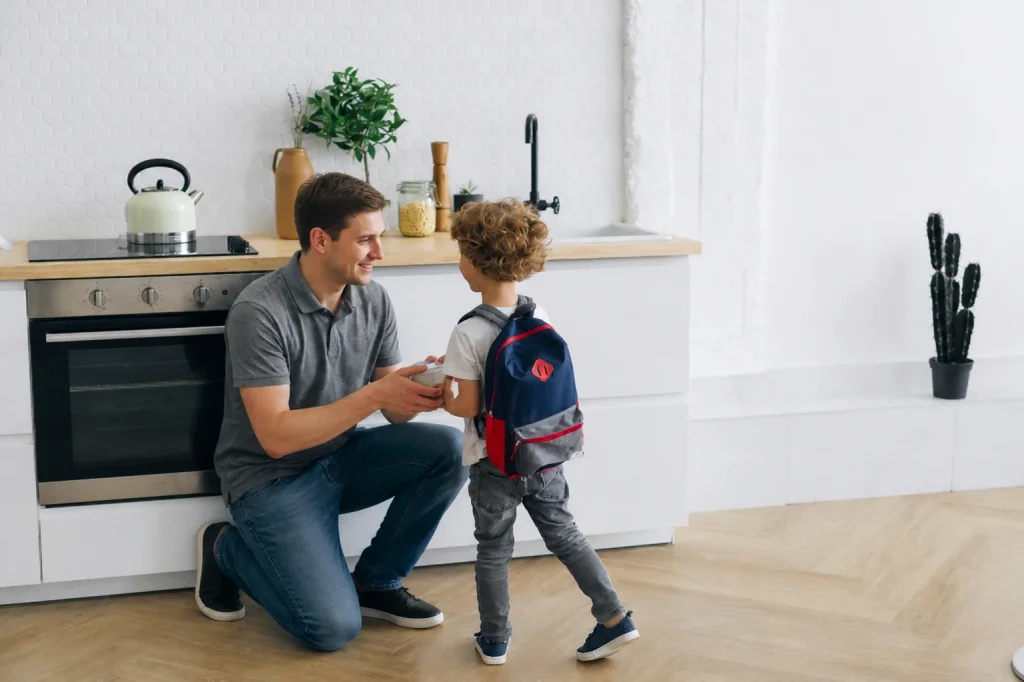
Cleaning products are a routine part of home care, but their impact on safety is often underestimated. Many conventional solutions contain ingredients that may not be ideal for sensitive individuals, especially in households with children. The products used in everyday cleaning can influence air quality and surface safety, making careful selection an important consideration.
Picking options that meet higher safety rules shows a more thoughtful way of keeping things in shape. Products designed with reduced harsh ingredients help create a healthier indoor environment, supporting both cleanliness and safety. This shift toward mindful product selection is becoming a key part of modern home care routines.
Safer Choices for Family-Oriented Households
Households with children often require an added layer of attention when it comes to safety. Items that come into contact with clothing, surfaces, and shared spaces must be carefully considered to avoid unnecessary exposure to irritants or residues. Laundry routines, in particular, play a significant role in maintaining a safe environment for sensitive skin.
Options like best baby safe laundry detergent reflect this growing focus on safer choices. These types of products are selected with care to minimize harsh ingredients while maintaining effective cleaning performance. Incorporating them into everyday routines supports a balanced approach to cleanliness that prioritizes both effectiveness and safety.
Building Long-Term Safety Through Consistent Habits
Creating a safer home environment ultimately depends on consistency. Small, repeated actions, such as monitoring systems, maintaining cleanliness, and making informed product choices, build a foundation that supports long-term safety. These habits reduce the likelihood of unexpected issues and create a more predictable living space.
Little by little, these habits just become the normal way a home runs. Instead of reacting to problems, homeowners develop a proactive mindset that allows them to address potential risks before they escalate. This approach not only improves safety but also enhances overall comfort, ensuring that the home remains a stable and supportive environment for everyday life.
