
Common Causes of Roof Shingle Damage
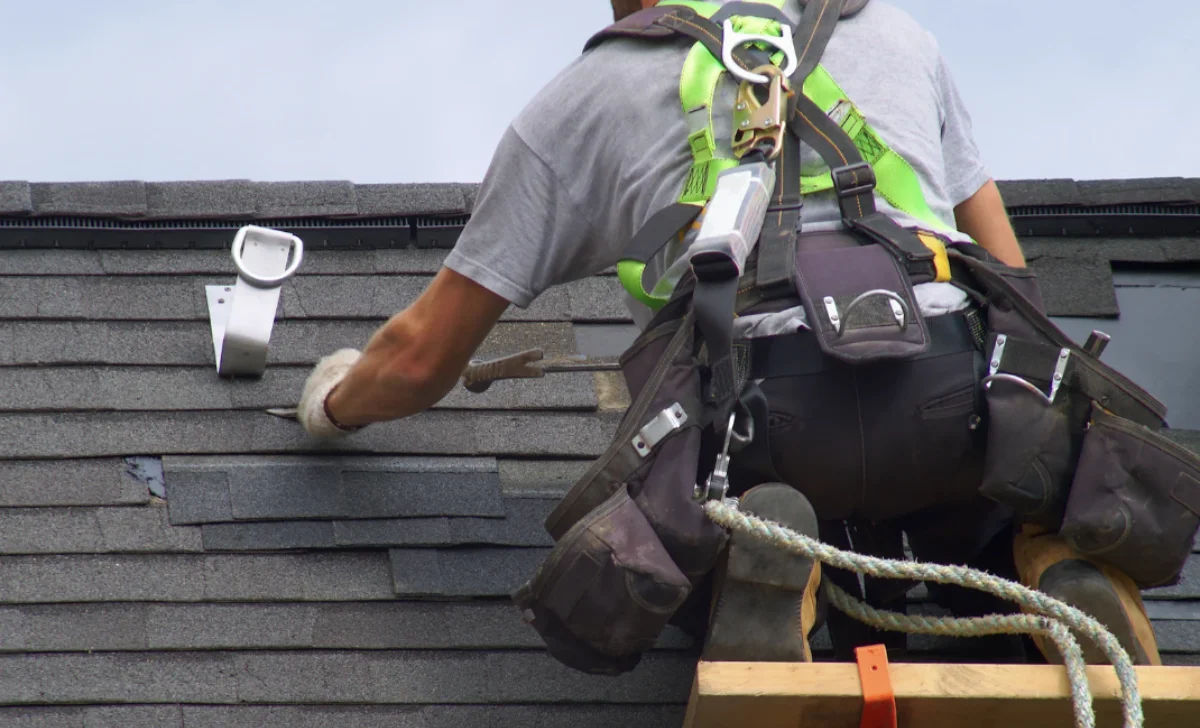
Shingles take a beating year round, and most homeowners don’t notice a problem until water starts showing up inside the house. Catching damage early is the difference between a simple repair and a full roof replacement, and it starts with knowing what to look for. If you’d rather have a professional take a look, The Roofing Guys can inspect your roof and point out anything that needs attention before it gets worse.
Here are the most common reasons shingles fail before their time.
Wind damage
Strong winds can pull up shingle edges, break the glue seal, or rip them off entirely. Even if a shingle isn’t fully blown away, a lifted edge breaks the watertight seal and lets moisture underneath. Over time, repeated wind stress weakens the shingle’s grip on the roof deck, making it more likely to fail during the next storm.
Hail impact
Hail bruises and cracks shingles, breaking down the protective granules that shield them from UV rays and water. This kind of damage is often subtle at first, showing up as small dents or dark spots rather than obvious holes. Left unaddressed, hail damage accelerates wear and shortens the life of the entire roof.
Sun and heat exposure
Constant UV exposure dries out the asphalt in shingles, causing them to become brittle and crack over time. South and west facing sections of a roof usually show wear first, since they absorb the most direct sunlight throughout the day. In hotter climates, heat cycling between day and night speeds up this deterioration even further.
Poor attic ventilation
When an attic doesn’t vent properly, heat and moisture build up underneath the roof deck. This trapped heat cooks shingles from below, while trapped moisture can lead to warping, mold, and premature aging. Ventilation problems often go unnoticed because the damage happens out of sight, which is why attic airflow is worth checking during any roof inspection.
Moss, algae, and debris buildup
Moss and algae hold moisture against the shingle surface, which breaks down the granules and creates an environment where rot can take hold. Piles of leaves and other debris trap water in the same way, especially in valleys and around chimneys where runoff naturally collects. Regular roof cleaning helps prevent this kind of slow, moisture driven damage.
Improper installation
Shingles that weren’t nailed correctly, spaced properly, or layered with the right overlap are prone to failure well before their expected lifespan. Poor installation might not be visible right away, but it tends to show up as leaks, curling, or shingles that lift more easily than they should. This is one of the strongest reasons to hire an experienced, reputable roofing contractor rather than the lowest bidder.
Age and normal wear
Every shingle has a lifespan, and even a well installed roof will eventually show its age. As shingles get older, the granules wear away, the asphalt becomes more brittle, and the seal between layers weakens. A roof nearing the end of its expected life is more vulnerable to damage from wind, hail, or heat that a newer roof would shrug off.
Falling debris and tree damage
Branches, pinecones, and other debris falling from overhanging trees can crack, gouge, or tear shingles on impact. Even small, repeated debris strikes wear down the surface over time. Trimming back branches that hang over the roofline is a simple way to reduce this risk.
Shingle damage rarely announces itself right away, which is why routine inspections matter so much. If you’ve noticed missing granules, curling edges, or you’re just not sure how your roof is holding up, The Roofing Guys can take a closer look and let you know exactly where things stand.
The Roofing Guys
81 Mill St Ste 300
Columbus, OH 43230-1718
(614) 626-7000
