
The Hidden Environmental Cost of Home Renovations
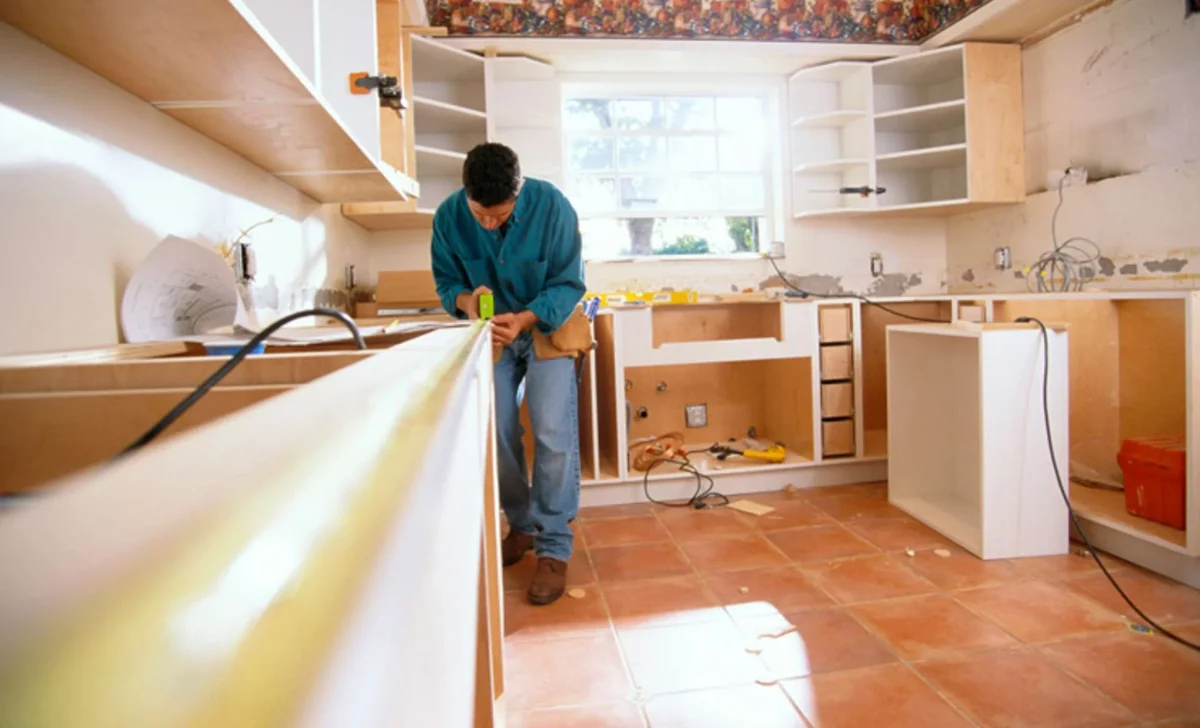
By early 2026, money spent on fixing up homes is expected to hit a new high of $524 billion. Behind every one of those projects, behind every ripped-out kitchen, demolished bathroom, and torn-up floor, is a waste stream that most homeowners never think about until they are standing in a pile of debris trying to figure out where it all goes.
The answer, for most residential renovation projects, is the landfill. The total amount of this spending is much bigger than most people not working in the field understand.
Construction and demolition waste makes up approximately 40% of all solid waste globally, with global annual C&D waste generation reaching about 2.2 billion tons in 2025. The EPA in the US figures that waste from building and tearing down structures is over twice the amount of city trash made each year.
The materials involved, concrete, drywall, wood framing, metal fixtures, flooring, roofing, and plumbing components, are heavy, bulky, and in many cases recyclable or reusable if they are handled with any intentionality at all. Most are not.
What a Typical Renovation Actually Produces
The waste volume generated by a residential renovation is consistently underestimated by homeowners planning their first major project. Building a regular home creates 3 to 5 pounds of trash for every square foot, so a 2,000 square foot house will make about 3 to 5 tons of junk.
When you renovate, these projects make 2 to 4 pounds of waste for each square foot. A kitchen gut renovation in a mid-size home can produce a ton or more of debris from cabinets, countertops, flooring, drywall, and plumbing fixtures alone, before a single new material arrives on-site.
That volume creates a logistics problem that most homeowners are not prepared for, and the improvised solutions, pile it at the curb, throw it in a rented trailer, call a general junk removal service, frequently produce outcomes that are neither legal nor environmentally defensible.
John Swann, Founder of John Buys Your House, described what this looks like in active markets: “In Charlotte’s market, I see it constantly: homeowners gut a kitchen or tear out flooring and just pile everything at the curb hoping the city takes it, which it often won’t. The renovation waste problem isn’t just environmental, it’s a real liability that can delay closings and trigger code complaints. Building a disposal plan before the first wall comes down is as important as budgeting for materials.”
That liability dimension is what catches most homeowners off guard. Municipal solid waste programs in most jurisdictions are not equipped to handle construction and demolition debris, and placing it curbside for regular trash collection is either prohibited outright or subject to size and material restrictions that renovation debris routinely violates.
The code complaint risk that Swann describes is real: municipalities actively fine property owners for improper debris placement, and those fines can create title complications that surface at closing.
What Is Actually Recyclable and What Happens to It
The environmental case for responsible renovation disposal is strengthened by a fact that most homeowners never encounter: the majority of what gets torn out of a home during renovation is technically recyclable or reusable.
More than 95% of construction and demolition waste can be easily reused or recycled. The gap between that theoretical maximum and what actually gets diverted comes down almost entirely to whether materials were separated at the source or mixed together before disposal.
Jason Wright, Owner of Wright Dumpster Rentals, explained: “Most people don’t realize that construction and demolition debris makes up nearly a third of what ends up in landfills each year, and a lot of it – concrete, drywall, metal – can actually be sorted and recycled if it’s handled properly from the start. The difference between a responsible renovation and a wasteful one often comes down to whether there’s a dedicated container on-site that keeps materials separated. Once everything gets mixed together in a pile, the recycling options disappear fast.”
The materials with the clearest and most accessible recycling pathways are also among the most common in residential renovation waste. Old concrete and brick materials can be broken down and turned into a base for roads or as crushed rock.
Metal, including old plumbing fixtures, copper pipe, steel framing components, and aluminum trim, has commodity value that makes recyclers willing to accept it. Clean wood framing and dimensional lumber can go to salvage operations or wood recyclers. Drywall, which contains gypsum, has a dedicated recycling stream that turns it back into wallboard manufacturing feedstock when it arrives without contamination.
The materials that are genuinely difficult to divert from landfill are the ones with composite construction, including laminate flooring, cabinets with mixed wood and particleboard construction, and certain types of countertop materials.
These cannot be separated into their component materials without industrial processing that is not widely available at the residential scale. Responsible disposal in those cases means minimizing the volume through design choices rather than hoping a recycler will sort it out downstream.
Hazardous Materials That Require Separate Handling
The category of renovation waste that carries the most serious environmental and legal consequences is hazardous material, and older homes present specific hazards that the renovation process disturbs and potentially disperses if not handled correctly.
Lead paint is present in approximately 29% of housing units in the United States, predominantly in homes built before 1978. Disturbing lead paint through demolition, sanding, or removal without following EPA Renovation, Repair and Painting rule protocols is a federal violation that carries significant fines and creates health hazards for occupants and workers.
Contractors performing covered renovation activities in pre-1978 homes must be EPA-certified and follow containment, cleanup, and waste disposal procedures that keep lead-contaminated debris from entering the general waste stream.
Asbestos is a second hazardous material present in a significant portion of the existing housing stock, found in insulation, floor tiles, ceiling tiles, roofing materials, and pipe wrap in homes built before 1980.
Asbestos-containing materials that are disturbed during renovation must be tested before work begins, and if testing confirms asbestos presence, remediation must follow EPA and state-specific protocols involving licensed abatement contractors and licensed disposal facilities. Placing asbestos-containing materials in a standard dumpster is illegal in every U.S. jurisdiction and creates liability that follows the property owner regardless of whether they were the one who placed it there.
What Responsible Disposal Actually Looks Like
Responsible renovation disposal is not a post-project concern. You must plan and deal with this before starting any demolition work. The decisions made at the planning stage determine which materials can be diverted from landfill, what containers and services are needed, and what the total disposal cost will look like relative to the project budget.
The starting point is a waste audit. Before any wall comes down, identifying what materials will be generated, which ones have recycling or salvage pathways in the local market, and which ones require special handling gives the project team a disposal plan rather than an improvised response.
Local Habitat for Humanity ReStores, salvage yards, and material exchange programs accept a wide range of usable renovation materials including doors, windows, cabinets, hardware, light fixtures, and dimensional lumber, and donating those items reduces the landfill volume while potentially generating a tax deduction.
Lots of places offer programs to recycle old roof shingles, using the asphalt for road base at lower prices, and big building jobs require waste plans before construction begins.
For homeowners and contractors managing projects below the threshold that triggers formal waste management plan requirements, the equivalent is a pre-project conversation with a dumpster rental company that handles construction debris, a salvage operation that will preview the site and identify what they can take, and a hazardous material testing company if the home’s age suggests lead or asbestos may be present.
The renovation industry is generating waste at a volume that the current landfill infrastructure was not designed to absorb indefinitely. More than 95% of it can theoretically be diverted. The gap between theoretical and actual diversion is a planning problem, not a material science problem, and it closes significantly when homeowners and contractors treat disposal as a design decision rather than a cleanup detail.
