
Bringing Nature Indoors: Simple Ways to Create a Thriving Home Garden
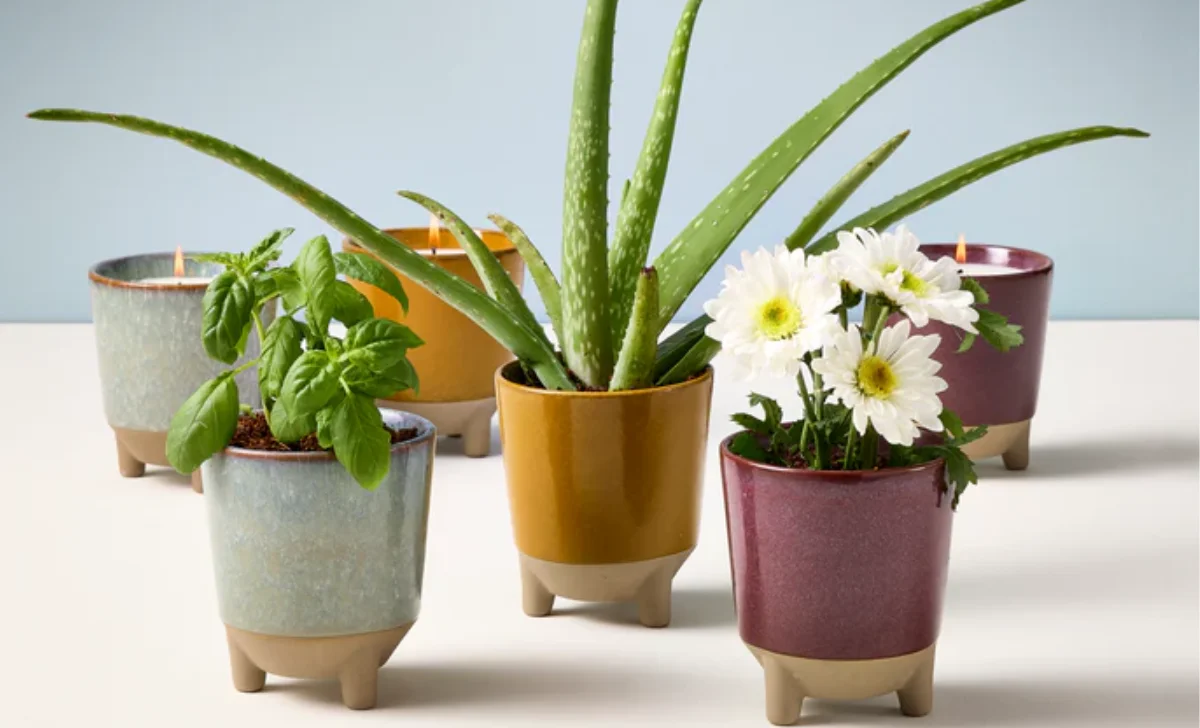
Maybe you have been there before. A basil plant slowly going yellow on your kitchen counter, a succulent you somehow managed to overwater, a pothos you stuck in a dark corner and forgot about. After a few failed attempts, it is easy to assume you just do not have what it takes to keep plants alive indoors.
Often, the issue isn’t with you. It’s simply the wrong plant in the wrong place, cared for incorrectly. Once you learn what your plants truly require, success comes quickly. This guide will teach you exactly these things.
Why Indoor Gardening Fits Modern Living
Here is the thing about indoor gardening that nobody really talks about: it fits into a busy life better than most hobbies. You are not committing to hours of weekend yard work. Many plants kept indoors truly grow well if you largely leave them alone. The challenge is knowing which ones and understanding the basics of what they need.
The benefits are real too. Multiple studies confirm that spending time around plants lowers cortisol, the hormone your body produces under stress, and research published in the Journal of Physiological Anthropology found that interacting with houseplants measurably reduces both heart rate and blood pressure.
If you grow herbs or microgreens, you are also getting produce far fresher than the grocery store. Most store herbs are cut days before you buy them. Yours come off the plant right before you cook.
Picking the Proper Equipment for Strong Inside Plants
If your plants keep dying and you cannot figure out why, light is almost always the answer. Not too little water, not bad soil. Light. Most American homes, especially apartments or any room that does not face south, just do not get enough of it for most plants to do well. Getting the light situation right is the thing that changes everything else.
How Grow Lights Help Plants Thrive in Any Space
A grow light gives your plants what your windows cannot. You should get LED lights that provide all colors for growing plants. They hit the wavelengths plants actually use: blue range (400 to 500 nm) for leafy growth, red range (600 to 700 nm) for flowering and fruiting. They run cool, cost less to operate than older fluorescent setups, and last a long time.
Placement is straightforward once you know the basics. Hang or position the light 6 to 12 inches above herbs and seedlings, a bit higher at 12 to 24 inches for established plants. Run it 12 to 16 hours a day and you have basically replicated a solid outdoor growing day. Modern Sprout makes grow lights that are built for regular home use, the kind that sit on a shelf or countertop and do not look like you raided a hydroponics warehouse. They work well and they do not stick out in your living space.
Beginner-Friendly Kits That Simplify Plant Care
When you are starting out, it is easy to buy soil from one place, seeds from another, a pot you liked the look of, and some fertilizer grabbed on a whim. The problem is half of it probably will not work together. The soil may hold too much moisture for the pot you chose, the seeds may need more light than you have, and the wrong fertilizer can burn seedlings before they even get going.
A starter kit helps with this, as someone already found things that work well together. Modern Sprout’s indoor gardening kits include the grow vessel, organic soil, seeds, and plant food designed as a matched system for real home spaces. This guide is for beginners, so you can just focus on growing without dealing with issues.
Easy Plants That Add Life to Every Room
The single best piece of advice for indoor plants is this: buy for your light, not for your taste. It sounds obvious but most people walk into a nursery, fall for something beautiful, bring it home, and stick it wherever it fits. Then it slowly declines and the question becomes what went wrong.
See how much light each room actually gets, then pick plants that will do well there. These are the most dependable choices to begin with.
Pothos is as close to foolproof as a plant gets. It handles low light, does not care if you forget to water it for a week, and the trailing vines look genuinely good hanging from a shelf or draping over a bookcase. Water it when the soil’s top feels dry, and it will keep growing.
Snake plants are built for neglect. They do fine in low light, go two to three weeks without water without complaint, and can live for years with almost no attention. If you travel, keep odd hours, or just want something that holds its own in a dim corner, a snake plant is the right call.
Creating a Relaxing and Stylish Green Space at Home
Plants arranged without any thought tend to look random. Plants arranged with even a little intention look like a design choice. The difference is not that complicated.
Start with light, not aesthetics. Before you decide where a plant looks good, figure out where it will actually survive. A fiddle leaf fig looks stunning in a dark corner but it will be dead or struggling within a few months. Once you know what each spot in your home can realistically support, you can make choices that hold up over time.
Height variety is what makes a plant arrangement look considered rather than just collected. A tall plant for the floor in a corner, a middle-sized plant on a shelf above, a small plant on the surface below. That layering creates depth and it works in pretty much any style of space, whether your home is minimal or more lived-in.
In Closing
None of this is complicated once you get the basics down. Match your plants to your light. Use the right containers and soil. Water based on what the plant actually needs, not a set schedule. Start with one or two plants you know are low-maintenance, and build from there as you get more comfortable.
If your space does not get great natural light, a grow light from Modern Sprout is honestly one of the most useful things you can add early on. It opens up what you are able to grow and takes the guesswork out of whether your plants are getting enough. Get the fundamentals right and the plants take care of the rest.
