
What Homeowners Should Know About Heating Choices and Installation Costs
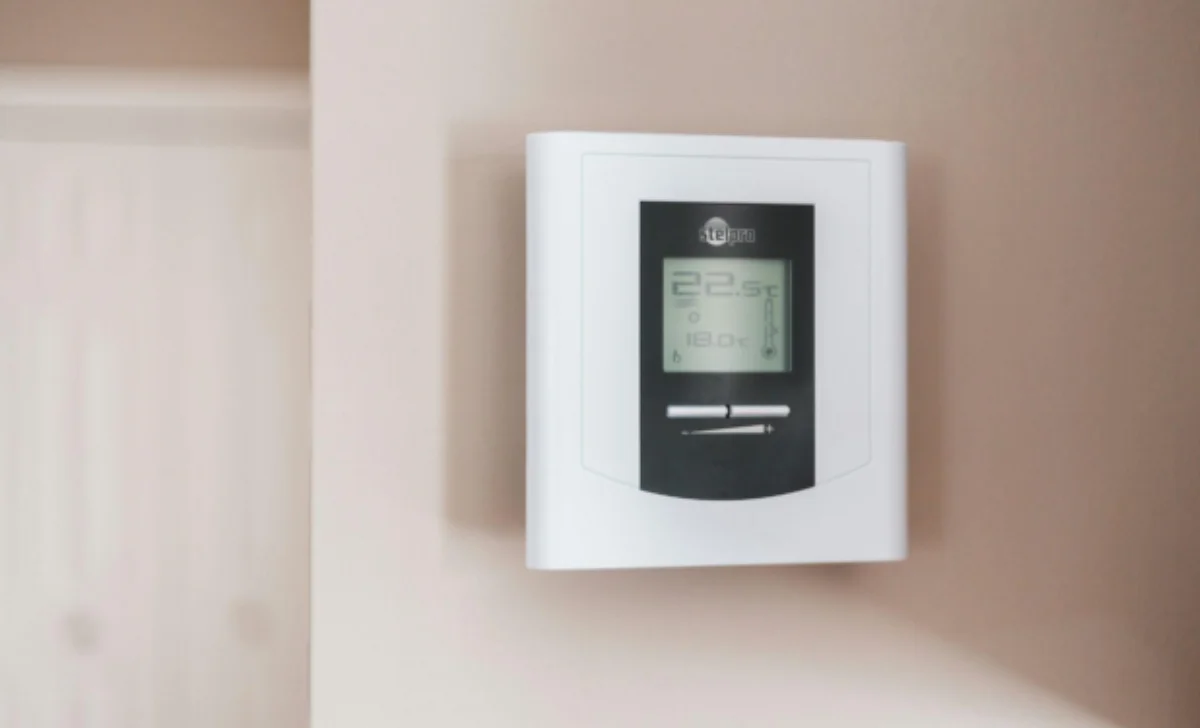
Picking a good heater is a big choice for any homeowner, especially in places like SoCal where temps don’t swing wildly but people still want cozy homes. While heating might not be used year-round, the system you choose still affects energy efficiency, home value, and long-term costs.
What many homeowners overlook is that installation plays just as significant a role as the system itself. Upfront costs, infrastructure compatibility, and ongoing efficiency all depend on how well the system is selected and installed. Understanding these factors helps create a more reliable and cost-effective home environment.
Understanding Different Heating Options
Different heating setups come with different jobs and different price tags. Traditional furnaces, heat pumps, and electric systems all serve different needs depending on climate and home layout. In milder climates like Southern California, homeowners often lean toward flexible systems that provide both heating and cooling.
Electric heaters are a big hit mainly because they’re easy to set up and not too complicated. Unlike gas systems, they typically don’t require venting or extensive infrastructure, making them easier to integrate into existing homes. However, the choice between systems should always consider long-term energy use, not just initial installation.
Installation Costs and What Drives Them
What you pay to put a system in can change a lot based on which kind you get and how your house is built. Things like fixing wiring, adding ducts, or changing walls all affect the final bill. Even for the same type of system, prices can move around depending on how you tweak it or style it.
For example, electric fireplace installations can range widely depending on complexity. Simpler installations may cost a few hundred dollars, while more customized built-in designs can exceed several thousand dollars due to additional labor and finishing work. This range highlights why understanding installation requirements early is essential.
The Role of Professional Installation
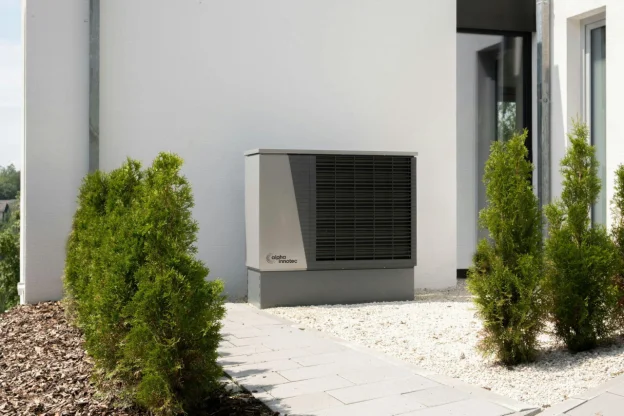
A heater works no better than how well it’s installed. If it’s installed badly, you might get wasted energy, hot and cold spots, or parts breaking down sooner. That’s why it’s so important to hire pros who know their stuff, especially for systems that need exact tuning and must meet safety rules.
In regions like Southern California, heating & cooling in Southern California plays an important role in ensuring systems are properly installed and maintained. Having an expert keep an eye on things stops expensive problems and makes sure the system runs smoothly right away.
Comparing Electric Heating Features and Costs
Electric fireplaces and similar setups are popping up more often because they don’t cost much and are simple to put in. Insights from a detailed electric fireplace installation cost guide show that these systems can offer a wide cost range depending on design, size, and installation requirements.
In general, electric fireplaces are among the most cost-effective heating options, with installation often ranging between a few hundred and a few thousand dollars depending on complexity. Their ability to operate without venting or gas lines makes them especially appealing for modern homes and renovations.
Long-Term Efficiency and Operating Costs
Beyond installation, long-term efficiency is a major consideration. Some systems are cheap to buy but costly to run, while others need more cash upfront but save you money as time goes on. Electric systems, for instance, are easy to install but can vary in operating costs depending on usage and energy rates.
Understanding how often a system will be used and how it fits into daily routines helps determine its true cost. In many cases, homeowners benefit from combining systems or using zone heating to balance comfort and efficiency.
Making a Balanced Heating Decision
Choosing the right heating system involves more than comparing price tags. It requires looking at installation complexity, long-term efficiency, and how the system fits into the overall home environment. Small decisions made early, such as system type or installation method, can have lasting effects on both comfort and cost.
By taking a broader view of heating choices, homeowners can avoid common pitfalls and create systems that perform reliably over time. The goal is not just to install a heating solution, but to ensure it supports the home’s needs in a practical and sustainable way.
